Early warning signals that help store owners identify risky borrowers before it's too late.
Every EMI default starts with warning signs — signals that appear days or weeks before the first missed payment. Store owners who recognize these early patterns consistently achieve higher repayment rates by intervening proactively.
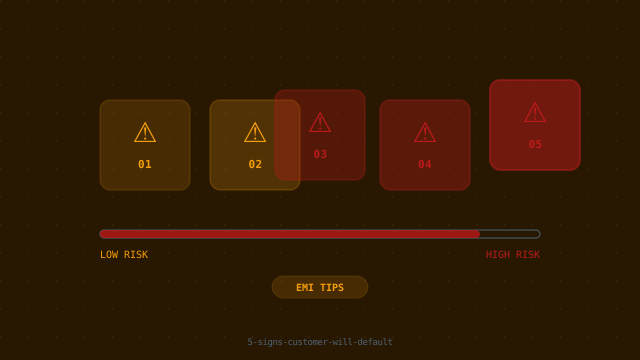
Sign 1: Unusually Detailed Questions About the Lock
Customers who intend to default often probe for weaknesses in your security. Questions like 'What happens if I factory reset it?' or 'Does it work if I change my SIM?' are red flags. A genuine customer is concerned about the product; a risky one is concerned about the lock.
Sign 2: Inconsistent Income Claims
When a customer's stated income doesn't match their lifestyle — they arrive on an expensive bike but claim a low salary, or their employment is vague and unverifiable — treat it as a risk indicator. Always cross-check with a salary slip or bank statement for high-value devices.
Sign 3: They Request a Longer Tenure Than Needed
Customers who insist on a 12-month tenure for a device they could comfortably afford in 6 months often do so to reduce monthly outflow with no intention to complete the full loan.
Sign 4: Reluctance to Provide ID Documents
Any hesitation around providing Aadhaar, PAN, or a selfie is a significant red flag. Legitimate customers understand KYC is standard. Customers who try to use expired IDs or blurry photos are signaling higher default risk.
Sign 5: History of Early Requests to Change Due Date
Some repeat customers ask to change their EMI due date shortly after the first payment. This pattern — especially combined with others — often precedes a default. Keep a record of all due-date change requests in your ledger.
Pro Tip
Use Rectym's customer management module to flag risky customers before enrollment. Adding internal risk tags (High / Medium / Low) helps your team apply appropriate EMI terms and grace periods.